
Yöntem
Personaları anahtar kelimeden değil, güdüden çıkarıyoruz
Anahtar kelimeden türetilen persona, markanın kendi dilini geri yansıtır; o dille sorulmayan her soruyu kaçırır. Asıl mesele kimin sorduğu değil, ne istediği: aynı ürünü soran iki kişi, bekledikleri şey farklıysa tamamen farklı sorular sorar.
Kullandığımız · 1
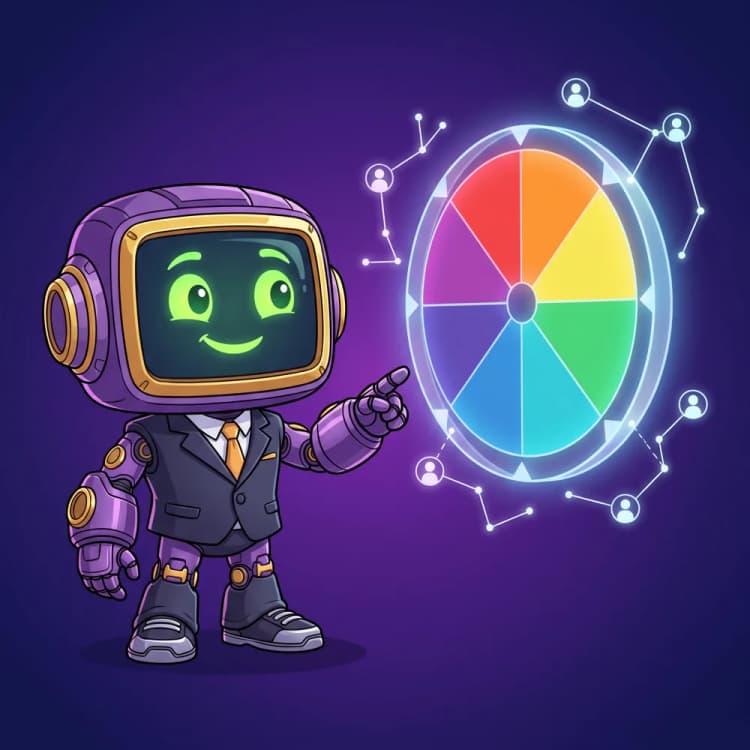
Censydiam: motivasyon çarkı
Ipsos'un motivasyon çerçevesi. Freud'un salıverme/bastırma mekanizması ile Adler'in güç ve aidiyet arayışı ikilisinden türetilmiş, iki eksen üzerinde sekiz güdü. Bizim için önemi şu: güdü, sorunun şeklini değiştirir.Güvenlik garanti sorar, Tanınma "en iyisi hangisi" sorar, Aidiyet "herkes ne kullanıyor" sorar. Bunlar birbirinin eş anlamlısı değil; bir marka birinde görünüp diğerlerinde hiç görünmeyebilir.
Security
Güvenlik
Risk almamak, garanti istemek, huzurlu olmak.
Questions this motivation produces
- “{marka} güvenilir mi, garantisi var mı?”
- “{marka} ile çalışırken risk var mı?”
- “{kategori} alırken nelere dikkat etmeliyim?”
Absent here: Güvence arayan kitle, cevapta olumsuz bir kaynak görürse geri dönmez. Bu sorunun cevabını siz yazmıyorsanız başkası yazıyor.
Çarkı saymıyoruz, yayılımı ölçüyoruz
Bir persona portföyü dört güdü sayıp yine de tamamen kontrol yarısında durabilir: dört dikkatli, karşılaştırma biçiminde soru üretir ve heyecanlı ya da aidiyet arayan hiç kimseden soru gelmez. Güdü saymak bunu "kapsama" sayar; çeyrek yayılımını ölçmek saymaz. Portföyün en az üç çeyreği kapsaması zorunlu.
Dürüst kayıt: Censydiam ticari bir segmentasyon çerçevesi, doğrulanmış bir psikometrik ölçek değil. Burada işe yaramasının sebebi kimsenin ruhunu tarif etmesi değil, güvenilir biçimde farklı sorular üretmesi. İhtiyacımız olan tek şey bu.
Kullandığımız · 2
Marka arketipleri ve sapma
Önce bir düzeltme: bu on iki arketip Jung'un değil. Jung hiçbir zaman on iki saymadı. Liste Carol Pearson'ın Awakening the Heroes Within (1991) kitabından; Margaret Mark ile Pearson bunu The Hero and the Outlaw(2001) ile markalamaya uyarladı. "Jungcu arketipler" bir pazarlama alışkanlığı ve ölçüm iddiasıyla satılan bir üründe tekrar edilmemeli.

Bilge
SageDoğruyu bilir, size öğretir.
Dili: Veri, yöntem, kaynak. İddiadan çok kanıt.
Sapma bedeli: Uzmanlık iddianız görünmüyorsa fiyat üzerinden kıyaslanırsınız; Bilge konumu kaybedildiğinde geri kazanılması en pahalı olanıdır.

Hükümdar
RulerKontrol ve düzen sunar. Sektörün standardıdır.
Dili: Ölçek, liderlik, kurumsal referans.
Sapma bedeli: Liderlik konumu motorda görünmüyorsa büyük müşteri, sizi 'küçük tedarikçi' listesine koyar.

Koruyucu
CaregiverSizi ve ailenizi korur. Yanınızdadır.
Dili: Güven, destek, süreklilik. Aile ve topluluk dili.
Sapma bedeli: Güven vaadi taşıyan bir markanın motorda 'ucuz' olarak anılması, güven vaadini doğrudan zayıflatır.

Kâşif
ExplorerYeni olanı bulur, sınırı genişletir.
Dili: Keşif, özgürlük, ilk deneyim.
Sapma bedeli: Yenilikçi konum, 'köklü/geleneksel' olarak anıldığında genç kitlede karşılık bulmaz.

Yaratıcı
CreatorHayal ettiğinizi üretmenizi sağlar.
Dili: Tasarım, özgünlük, üretim.
Sapma bedeli: Özgünlük iddiası kaybolduğunda ürün, standart muadilleriyle aynı rafa konur.

Sihirbaz
MagicianDönüştürür. Mümkün olmayanı mümkün kılar.
Dili: Dönüşüm, teknoloji, 'nasıl olduğunu anlamadınız'.
Sapma bedeli: Dönüşüm vaadi 'sadece bir araç' diye tarif edildiğinde fiyat pazarlığına düşersiniz.

Kahraman
HeroZoru başarır. Sizin için savaşır.
Dili: Performans, başarı, mücadele.
Sapma bedeli: Performans iddiası ölçülebilir kanıtla desteklenmiyorsa motor onu tekrar etmez; iddia sessizce düşer.

Sıradan
EverymanHerkes için. Abartısız, ulaşılabilir.
Dili: Sade, samimi, 'bizden biri'.
Sapma bedeli: Bu, kaçınılmayan değil kazanılmayan bir konumdur; premium marka buraya kaydığında fiyatını savunamaz.

Âşık
LoverYakınlık, güzellik, arzu.
Dili: Duyusal, estetik, ilişki dili.
Sapma bedeli: Estetik konum işlevsel dille anlatıldığında premium fiyat gerekçesi ortadan kalkar.

Soytarı
JesterEğlendirir. Hayatı hafifletir.
Dili: Esprili, samimi, kalıp dışı.
Sapma bedeli: Eğlenceli konum ciddi dille anlatıldığında marka sesi kaybolur; bu arketip en kolay silinendir.

Asi
RebelKuralı yıkar. Yerleşiğe karşı durur.
Dili: Karşıtlık, meydan okuma.
Sapma bedeli: Meydan okuyan konum 'sektörün bir oyuncusu' diye anıldığında varlık sebebi silinir.

Masum
InnocentBasit, temiz, dürüst.
Dili: Şeffaflık, doğallık, sadelik.
Sapma bedeli: Doğallık iddiası kanıtsızsa motor onu aktarmaz; 'iddia ediyor' ifadesi güveni azaltır.
Ölçülebilir olan kısım: sapma
Arketipin kendisi bir etiket. Ölçülebilen şey, markanın hedeflediği arketip ile motorun yansıttığı arketip arasındaki fark. Kendini Bilge olarak konumlayan bir şirket ChatGPT tarafından Sıradan (ucuz, ulaşılabilir, idare eder) diye tarif ediliyorsa görünürlük kaybetmemiştir; tamamen görünürdür, ama başka bir şey olarak. Piyasadaki her anılma sayacı bunu başarı olarak puanlar.
Standart eleştiri bizim için de geçerli: arketip eşleştirmesi sonradan yapılır, önceden tahmin edilmez. Yani sapma bir uyuşmazlık göstergesi, nedensellik kanıtı değil.
Kullandığımız · 3
Gölge: bu kısım gerçekten Jung

Jung'da persona maskedir: "kişinin nasıl görünmesi gerektiği konusunda birey ile toplum arasındaki uzlaşma". Gölge ise maskeye girmeyen kısım. Jung'un uyarısı maskeyle fazla özdeşleşmek üzerineydi: insan kendini yalnızca göstermek istediği yanıyla tanımladığında, geri kalanı yok olmuyor, yalnızca görünmez oluyor.
Markalar da aynısını yapar. Farkı şu: markada bu iki metin de yazılı olduğu için aradaki fark ölçülebilir.
- persona
- Markanın kendi sayfalarında kendisi hakkında söyledikleri. Kontrol ettiği metin budur.
- gölge
- Motorların söylediği ama o sayfalarda hiç geçmeyen her şey. Kontrol etmediği, çoğu zaman haberi bile olmadığı kısım.
Kendi markalarımızda ölçülen
GoVista %71, gerçek gölge. Gölgesinde Samsung MagicInfo var: kendi sitesinde bir kez bile geçmeyen, ama motorların yanında andığı gerçek bir rakip. Bu bir içerik boşluğu; yazarak kapatılabilir.
GoPeople %33, gölge değil isim çakışması. Motorların söylediklerinin üçte ikisi gopeople.com.au kaynaklı: australian, runners, uber, doordash, amazon flex. Bizim GoPeople WhatsApp üzerinden çalışan bir İK asistanı; bunlar başka kıtadaki bir kurye şirketine ait. Buraya ne yazarsanız yazın değişmez. Çözüm içerik değil, varlık ayrıştırması.
İkisini ayırmak, sayının kendisinden daha önemli. Arketip sapmasının aksine her ikisi de yanlışlanabilir: sitenizde ya yazıyor ya yazmıyor, motor ya söylüyor ya söylemiyor, kaynak ya sizin alan adınız ya değil. Müşteri her satırı kontrol edebilir.
Kullanmadığımız
Eksen olmayan şeyler
Persona eksenlerimiz satın alma davranışını öngören ve yanlışlanabilen şeylerle sınırlı. Din, mezhep ve siyasi düşünce eksen değil. KVKK 6. madde bunları özel nitelikli veri sayıyor, ve bir marka görünürlük ölçümünün bunlara ihtiyacı yok.
Censydiam de doğrulanmış bir psikometrik ölçek değil; ondan tek beklentimiz farklı sorular üretmesi, ve bunu yapıp yapmadığı kontrol edilebilir. Bir çerçeveyi listeye almamızın ölçütü bu: ürettiği şey kontrol edilebiliyor mu.
16 persona, 8 güdü, tek soru
Hangisi sizi bulamıyor? Ücretsiz tarama üç personayla başlıyor ve motorun gerçekte ne dediğini gösteriyor.